
Opening my Character’s Hidden Wounds
How I dug into my heroine’s past to drive her future choices

I’ve been digging into the theme and developing stronger emotional wounds for the heroine of my work-in-progress novel—the first book in what’s now a duology (and which I abandoned to write and publish the second book, The Revived—read more in my last post). While steadily revising my novel (currently titled The Sleeping Beauty Curse [SBC]), I’ll be significantly rewriting the existing draft, plus adding and deleting scenes. I know this because I see how drafted scenes no longer do full justice to my heroine, Rebecca’s, psychology or don’t serve the nested story of Rebecca’s journey from a detached, analytical, career-focused loner to an emotionally robust, relationship-oriented human.
My current novel-writing process involves figuring out the theme and how the main characters (the protagonist and the antagonist) will demonstrate and be driven by the theme. For The Revived, the theme was that people are responsible for the consequences of their actions. So, I had Hutch Reeves discover how little action he took in his life and how little responsibility he took for the consequences of his few actions and, more importantly, his inaction. By the end of the novel, my goal was for readers to see that Hutch had gained direct experience in choosing his actions and accepting the consequences, good or bad.
For SBC, my theme is that you can accomplish anything and contribute powerfully to your world by trusting others. In contrast, Rebecca starts the story believing that people can’t be trusted and if you trust them, they will let you down. In redesigning SBC, I’ve been applying the principles and lessons of ‘misbeliefs’ from the book Story Genius: How to Use Brain Science to Go Beyond Outlining and Write a Riveting Novel.
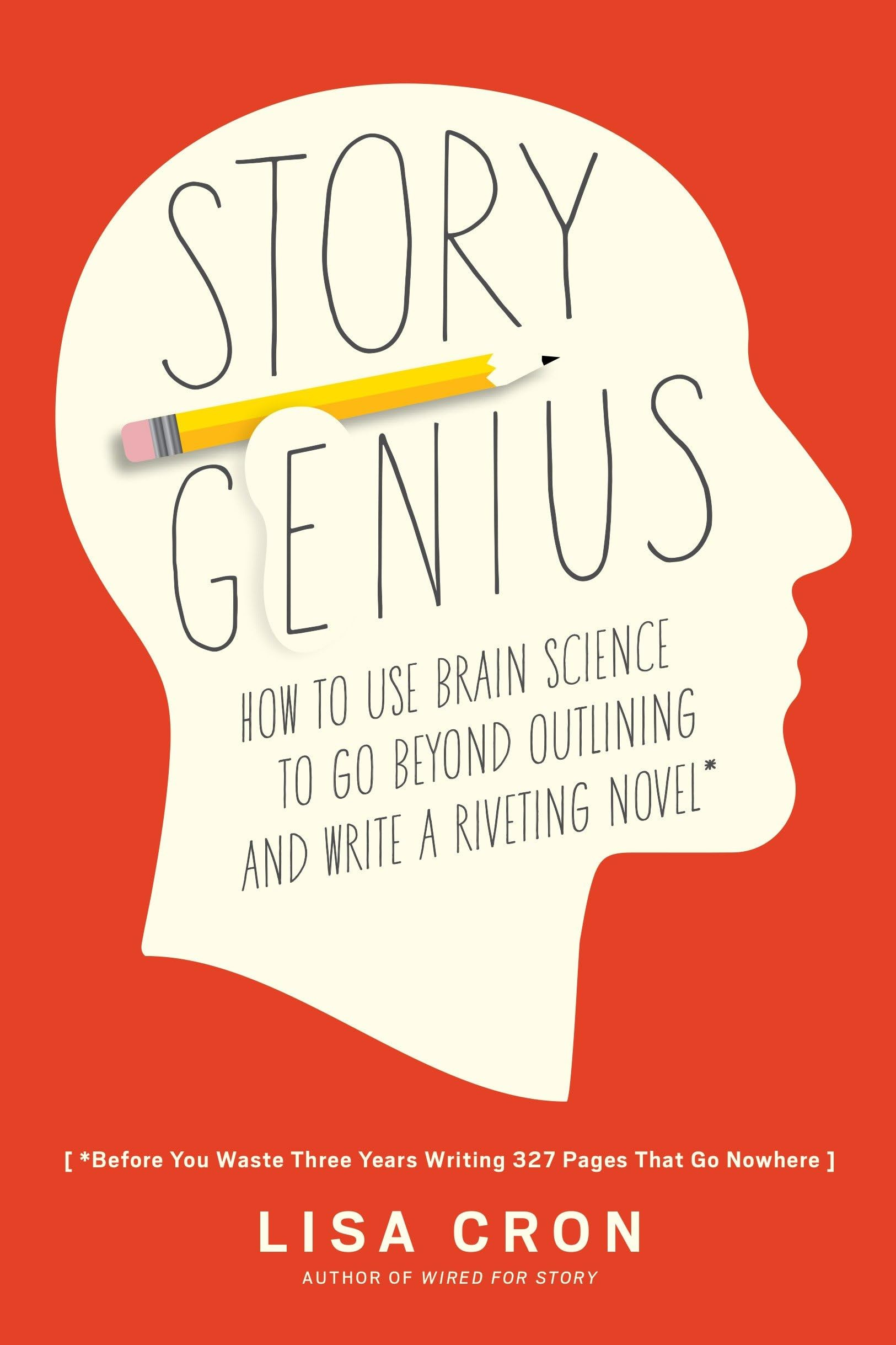
The author, Lisa Cron, defines a character’s “misbelief” (or “the Lie”) as a deeply rooted, false, yet internally logical belief adopted early in their life to avoid past emotional pain, which now prevents them from achieving their desires. It acts as a protective mechanism, forcing the character to make faulty decisions that drive the plot’s conflict.
Here are some misbeliefs I wrote to help torture give direction for Rebecca’s character:
She can’t trust others and must do everything herself.
She feels like a failure if she asks for help.
She must be strong and how no weakness for fear of being shamed and dominated.
She fears bureaucracy yet works at a job (with the Central Intelligence Agency) that is steeped in it; she loves the work but resists and even defies bureaucratic control.
Here’s a sample of a sketch I wrote that describes an incident from Rebecca’s teenage years where her misbelief interfered with her decision-making, and when she overrode her mistrust in people, circumstances only ended up reinforcing it to make it an even stronger decision blocker for her future life-choices.
Rebecca lost in the woods
When Rebecca was 13, she attended a week-long sleepover summer camp in the Shenandoah Mountains. The counsellors and leaders encouraged each group to practice teamwork in all activities, explaining that this would give everyone life lessons, especially in the workplace.
Rebecca made a few friends and even responded cautiously to flirting from a couple of boys. However, she resisted any deep bonding and found herself an outsider from the cliques that formed over the week.
The ultimate test of teamwork was an overnight tent camp-out in the woods on the last night. Rebecca’s group was outfitted with supplies and hiked to their campsite before sunset. By the time they had set up camp, they needed kindling and firewood to start a fire. Eager to solve the crisis and help the team, Rebecca suggested that she and girls head into the woods with a flashlight to collect wood.
With one girl holding the flashlight while Rebecca and the other girl collected wood, Rebecca was happy with the armload of wood she’d collected and eager to show off her prize to the team. While scanning the ground for some last bits of kindling, the flashlight turned off, leaving Rebecca in the dark. She called out for help and heard a distant giggle followed by distant twig snapping. Fortunately, it was a clear sky that night, and when her eyes adjusted, Rebecca found clear footing on the ground. But she did not know the camp’s direction. She wandered carefully for a while and called out regularly, but could find no signs of the camp, nor did she receive any replies to her calls.
She panicked, which then turned to rage at the betrayal and abandonment. She dumped her load of wood and screamed out, “You’re all a bunch of dorks playing baby games of hide and seek.” Vowing vengeance for the prank, she yelled, “I’m telling the counselors that you’re terrible team players!” After what seemed like another hour of stumbling around, she planted herself at the foot of a large tree, crossed her arms, and fumed. After a while, she heard people calling her name. At first, she stubbornly refused to reply, not wanting to trust them and look like a fool again when they went quiet. But she also wanted to see justice served with punishment for their crimes.
Eventually, she called back but refused to move until the search party came for her. One counsellor and the 2 girls soon arrived at her location, and the counsellor made the girls apologize to Rebecca. When asked if she accepted the apology, she declared, “Absolutely not, and I expect them to be punished for failing the team challenge.” The counsellor dismissed Rebecca as overly-dramatic, and they returned to camp to finish the sleepover.
When Rebecca got home, she insisted her parents file a complaint against the camp and single out the two girls as the primary culprits with the counsellor as an accomplice. After that, Rebecca never went to camp again and avoided all school group exercises when possible, claiming she wouldn’t compromise her marks because of another student’s incompetence.
This scene might not appear in the finished novel but by working through these fictional moments, including a childhood event that first created the misbelief, I can develop a depth within Rebecca that helps guide me to write about her reactions and choices to incidents in the novel as logical extensions of her misbelief.
I don’t want readers to notice these subterranean character threads, but hopefully they’ll help readers subconsciously relate to Rebecca and recognize a pattern that will culminate in a tense, satisfying
Next time, I’ll write about a scene or two that I’ve determined were unnecessary or unhelpful for the novel, and why I archived them. In the meantime, if you haven’t read The Revived and know someone who might be interested, you can buy it in eBook or paperback here.
If you read it, please help others discover it with a review on Amazon or Goodreads.

Thanks again for reading and keep your creative thrills alive in mind, heart, and action. And please ask me questions or give me feedback on my process and my novel.
You can also follow me on social media for other creative and personal insights:

I love how you're inventing a back-story for your protagonist even if it never appears on the page, because it will nevertheless inform her actions in the story. Many books on writing have tables to fill out for each character, everything from their favourite colour to their profession and mannerisms. I don't go to that degree of detail, but I discovered the hard way that understanding the character's core wound is definitely critical, and sometimes is hard to pinpoint (which I take to mean that I haven't prepared thoroughly enough). The tool that made a huge difference in my writing was to know the "value" of the story before I begin e.g. freedom/slavery.
Continue to be in awe of your patient tenacity to edit to perfection. The Revived is amazing and totally look forward to SBC or whatever the new title, So ver proud of you Peter!